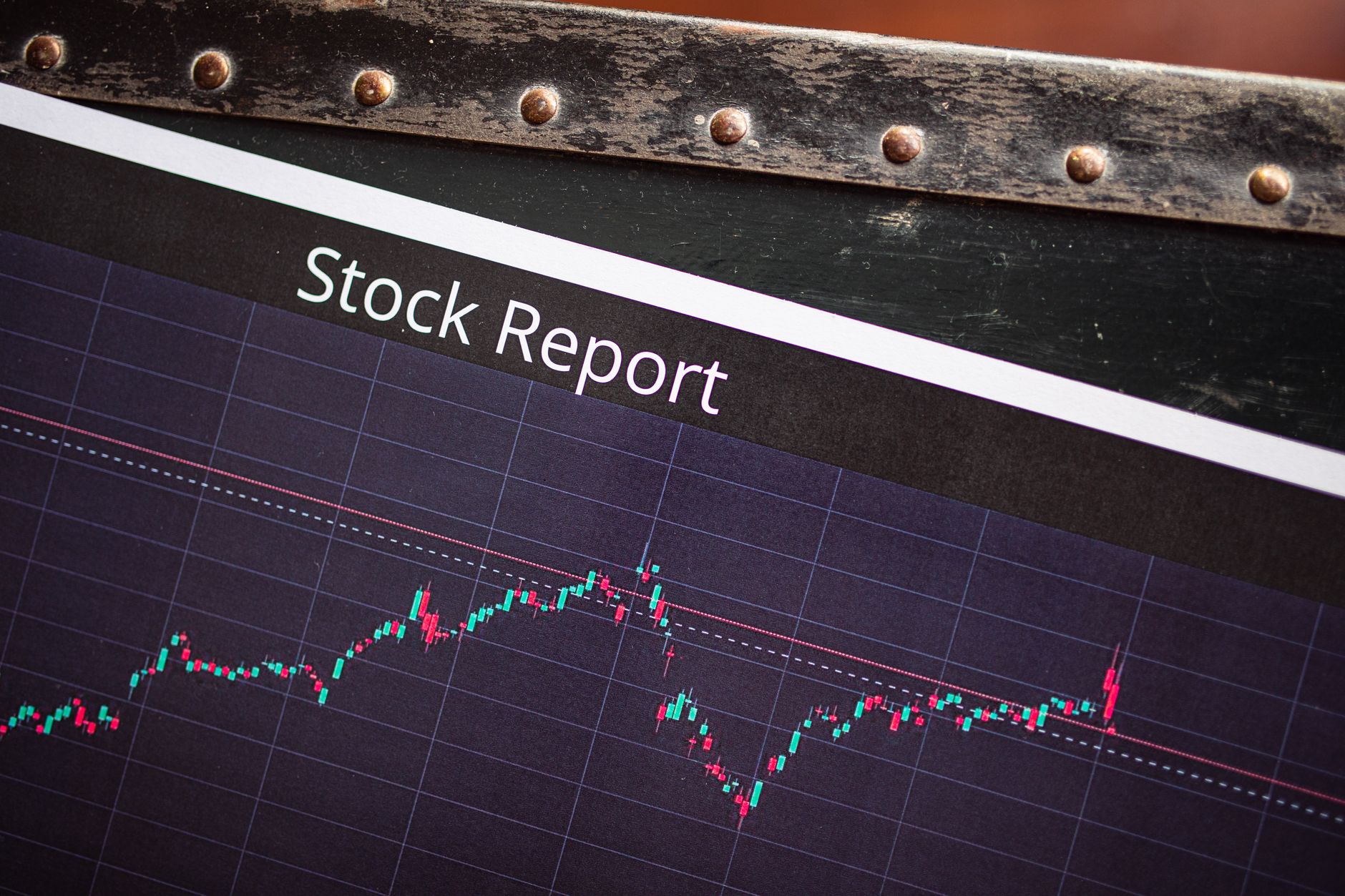
Sensex gains analysis: Proven strategies for lasting growth

Sensex gains analysis shows a significant shift as the index snaps its 8-week losing streak. Experts are now weighing in on the sustainability of these gains amidst market volatility.
Understanding the Recent Market Shift
In recent weeks, the Indian stock market has seen a notable shift, with the Sensex gains analysis indicating a potential turning point after an extended period of decline. The benchmark index, which had experienced an eight-week losing streak, rebounded significantly, raising questions about the sustainability of this upward trend.
Analysts attribute this resurgence to several key factors:
- Global Market Trends: A recovery in global equity markets, particularly in the United States and Europe, has positively influenced investor sentiment in India.
- Strong Corporate Earnings: Many companies have reported better-than-expected earnings, bolstering confidence in the domestic economy.
- Policy Support: Government initiatives aimed at boosting economic growth and investment have also played a crucial role in lifting market spirits.
However, experts caution that while the recent gains have brought a sense of optimism, challenges remain. Concerns over inflation, interest rates, and geopolitical tensions could impact future performance. As such, the Sensex gains analysis suggests that while the market may be on a recovery path, investors should remain vigilant and consider long-term strategies rather than short-term speculation.
Expert Opinions on Sensex Stability
Experts are weighing in on the recent gains of the Sensex, which has snapped an eight-week losing streak. While the market’s recovery has provided a sense of optimism, analysts caution investors to remain vigilant. According to market strategist Rajesh Kumar, “The gains observed in the Sensex are encouraging, but we must analyze the underlying factors contributing to this stability.”
Many analysts agree that several key elements are influencing the current market environment:
- Economic Indicators: Recent reports suggest an uptick in consumer confidence and economic activity, which could support sustained growth.
- Global Sentiment: Positive developments in international markets have also played a role in boosting investor sentiment in India.
- Policy Changes: Government initiatives aimed at economic recovery are expected to have a long-term impact on market stability.
However, Meera Jain, a renowned financial analyst, emphasizes, “While the Sensex gains are promising, it is essential for investors to consider potential volatility. Diversification remains a key strategy for mitigating risks.”
As the market navigates these changes, the question remains: Can the recent gains of the Sensex lead to lasting growth, or will uncertainty creep back into the picture?
What Investors Should Consider Next
As the Sensex gains momentum following an eight-week losing streak, investors must navigate the evolving landscape with caution and strategy. Analysts emphasize several key factors that should influence investment decisions in the coming weeks.
- Global Economic Indicators: Investors should keep an eye on international markets, as fluctuations in global economies can significantly impact the Sensex. Understanding these dynamics can provide insight into potential risks and opportunities.
- Monetary Policy Changes: Any adjustments in interest rates or monetary policy by the Reserve Bank of India are likely to affect market sentiment. Monitoring these developments is crucial for anticipating market reactions.
- Sector Performance: Different sectors may react differently to economic changes. Evaluating which industries are likely to thrive or falter can guide informed investment choices.
- Long-term versus Short-term Investments: While the recent Sensex gains may attract short-term traders, a long-term perspective is essential for sustainable growth. Investors should align their strategies with their financial goals and risk tolerance.
Ultimately, a well-rounded approach that considers these factors can help investors capitalize on the current momentum of the Sensex gains while being prepared for potential market shifts.
Historical Context of Sensex Performance
The performance of the Sensex has historically reflected the broader economic trends and investor sentiment in India. Over the past few decades, the Sensex has experienced significant fluctuations influenced by various factors, including geopolitical events, economic reforms, and global market trends.
In the early 2000s, the index saw remarkable growth driven by liberalization and foreign investment. However, major downturns like the 2008 financial crisis tested investor resilience, leading to a sharp decline. Since then, the Sensex has shown remarkable recovery, often setting new records amidst economic reforms and technological advancements.
As of late, the Sensex has gained momentum, snapping an 8-week losing streak, prompting analysts to examine the factors contributing to its resurgence. Potential drivers of these gains include:
- Positive Corporate Earnings: Many companies have reported better-than-expected quarterly results, boosting investor confidence.
- Policy Support: Government initiatives aimed at economic recovery have played a crucial role in stabilizing the market.
- Global Market Influence: A favorable international economic outlook has encouraged foreign investments.
Understanding the historical context of Sensex performance is vital for investors seeking to navigate the current landscape and formulate strategies for sustained growth.
The latest Sensex gains analysis reveals that consistent investment strategies can significantly enhance portfolio performance. By understanding the underlying trends highlighted in the Sensex gains analysis, investors can make informed decisions for sustainable growth.
Photo by AlphaTradeZone on Pexels
References
From Traditional Wealth to Digital Investing: A New Era for the Middle East · TCS dividend details: The Clear Guide to 2026 Payout · AI chip components deal worth $2 Billion is Smart