Nintendo Physical Games: Worth Keeping for Gamers
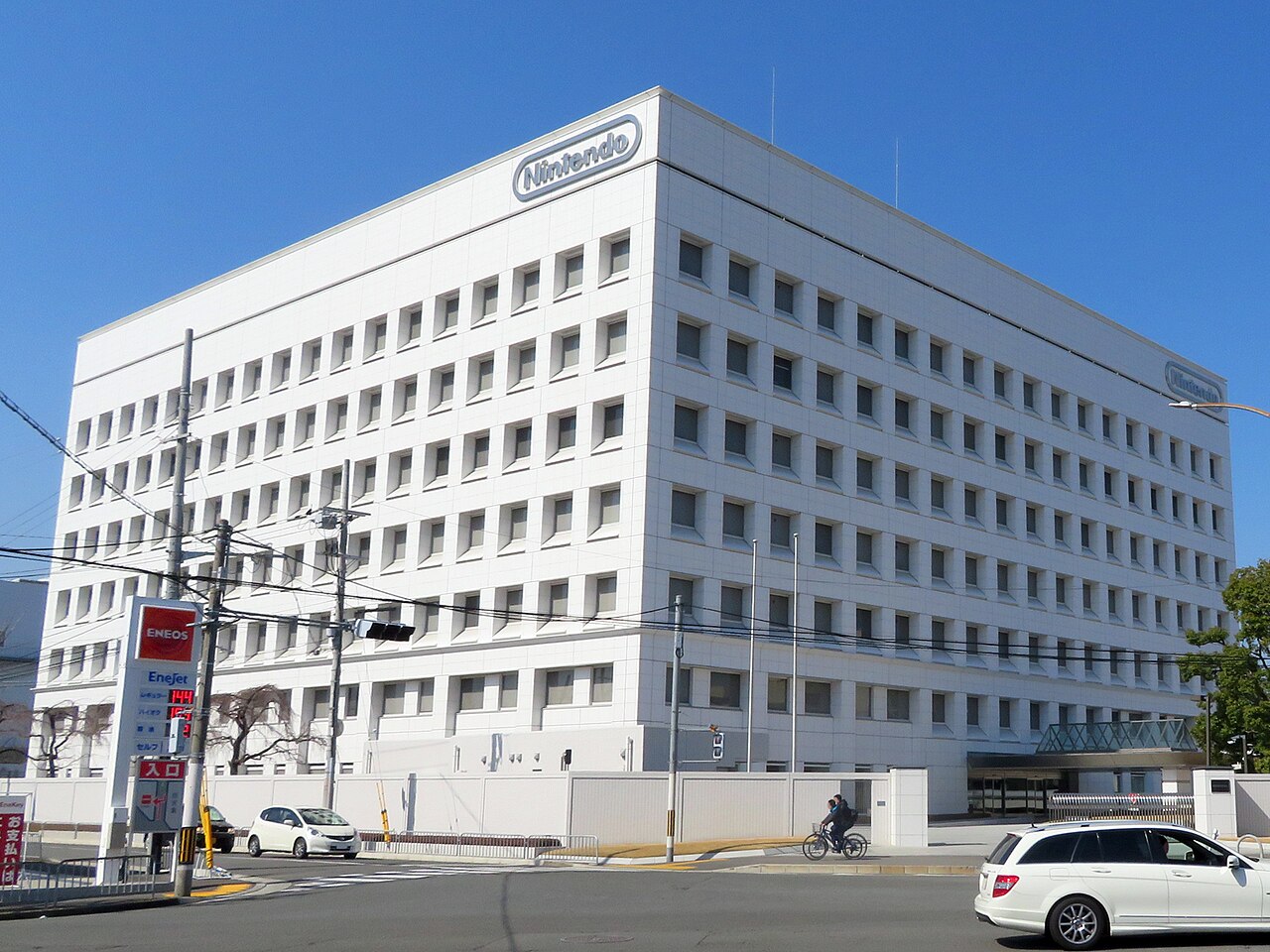
Nintendo physical games continue to thrive, as the company confirms it has no plans to abandon them. This decision reassures fans who cherish the tactile experience of owning physical copies.
Nintendo’s Commitment to Physical Games
Nintendo has reaffirmed its dedication to physical games, emphasizing the importance of tangible copies in an increasingly digital marketplace. While many gaming companies are shifting focus to digital downloads, Nintendo remains committed to producing physical versions of its popular titles.
In a recent statement, the company declared, “We have no plans to ditch physical games yet.” This assurance comes as a relief to collectors and enthusiasts who cherish the experience of owning a physical copy of their favorite games.
The decision to support physical games is part of Nintendo’s broader strategy to cater to diverse gaming preferences. Many players appreciate the ability to trade, resell, or display their games, something that digital versions do not allow.
Moreover, physical games often come with additional benefits, such as:
- Beautiful artwork and packaging
- Collector’s editions with exclusive content
- The ability to share games with friends and family
As the gaming landscape evolves, Nintendo’s commitment to physical games continues to resonate with its loyal fan base, ensuring that these tangible treasures remain a staple for gamers everywhere.
The Future of Game Ownership
The future of game ownership has become a hot topic among gamers, especially as digital downloads continue to dominate the market. However, Nintendo has made it clear that it values the tradition of physical games. In a world where digital content can be easily lost or become inaccessible, many gamers are questioning the long-term viability of only owning digital copies of their favorite titles.
With Nintendo’s commitment to physical games, players can rest assured that they will have a tangible collection that can be enjoyed for years to come. A physical game not only offers a sense of ownership but also nostalgia, as many gamers fondly remember the days of buying cartridges and discs.
- Collectibility: Physical games often come with unique packaging, artwork, and manuals that enhance their value.
- Resale Value: Unlike digital downloads, physical games can be resold or traded, providing additional value to gamers.
- Preservation: Owning a physical copy ensures that the game remains playable, regardless of platform changes or digital store closures.
As long as there is a demand for Nintendo physical games, it seems likely that the company will continue to support this cherished aspect of gaming culture.
Why Physical Games Matter
Nintendo physical games hold significant value for gamers, not just as entertainment but also as collectibles. One of the primary reasons why physical games matter is the sense of ownership they provide. When players buy a physical copy, they have a tangible item that they can store, display, or trade, offering a different experience compared to digital downloads.
Moreover, physical games often come with unique packaging and artwork that enhance their appeal. Many gamers appreciate the nostalgia associated with owning game cartridges or discs, which can remind them of fond memories from their gaming journey. Additionally, physical copies typically allow for easier sharing among friends and family, fostering a communal gaming experience.
Another vital aspect is the preservation of gaming history. As technology evolves, older digital titles may become inaccessible due to server shutdowns or compatibility issues. In contrast, keeping a library of Nintendo physical games ensures that these classics remain playable for future generations.
In summary, the importance of physical games extends beyond mere convenience; it encompasses nostalgia, community, and the preservation of gaming culture.
Digital vs Physical: The Debate
The conversation surrounding Nintendo physical games often pits digital against physical formats, sparking a lively debate among gamers. As the gaming industry evolves, many players are torn between the convenience of digital downloads and the nostalgic appeal of owning physical copies.
Proponents of digital games argue that they offer instant access, eliminating the need for storage space and the hassle of swapping cartridges. Moreover, digital libraries can be easily updated, ensuring players always have the latest version of their favorite titles. However, this convenience comes with concerns about long-term ownership. Digital games are tied to accounts, and once a platform decides to discontinue support, players risk losing access.
On the other hand, supporters of physical games emphasize the tangible nature of owning a cartridge. Physical copies allow gamers to build collections, share games with friends, and even preserve a piece of gaming history. The act of holding a game case, complete with artwork and manuals, adds a sentimental value that digital versions simply cannot replicate.
Ultimately, the debate between digital and physical formats reflects broader questions about game ownership, preservation, and the future of gaming culture.
Fan Reactions to Nintendo’s Announcement
Following Nintendo’s recent announcement regarding its continued support for Nintendo physical games, fans have taken to social media to express their reactions. Many gamers have shared their relief and excitement, believing that physical copies of games are essential for preserving their collections.
One enthusiastic fan tweeted, “I love having my favorite games on the shelf! Nintendo physical games have a charm that digital just can’t replicate.” Others echoed similar sentiments, emphasizing the nostalgia and tangible connection that comes with owning physical copies.
However, not all reactions were purely positive. Some fans voiced concerns about the longevity of physical games in an increasingly digital world. “What happens when the servers go down? I want my games to last forever,” a user commented, highlighting the ongoing debate about digital versus physical ownership.
Despite differing opinions, the general consensus remains: gamers value their ability to own and collect physical games. As Nintendo continues to prioritize this aspect, it seems that the future of Nintendo physical games remains bright, fostering a sense of community and nostalgia among players.
The Impact on Collectors
The rise of digital gaming has led many to question the future of physical media, but for collectors, Nintendo physical games remain a treasured part of the gaming landscape. The impact on collectors is profound, as these tangible copies not only provide a sense of nostalgia but also hold significant monetary value over time.
Collectors often seek out limited edition releases, which are often accompanied by unique packaging and additional content. This desire for exclusivity drives up demand and can result in soaring prices on the second-hand market. The thrill of hunting for rare Nintendo physical games can make the experience of gaming even more rewarding.
Furthermore, owning a physical copy means preserving a piece of gaming history. Many gamers appreciate the artwork, manuals, and packaging that come with physical games, viewing them as collectible items rather than mere products. This attachment reinforces the idea that physical games are not just a means to play but a way to connect with the past.
As long as there are passionate collectors, the Nintendo physical games market is likely to thrive, ensuring that these beloved items remain relevant in an increasingly digital world.
Trends in Gaming Distribution
As gaming continues to evolve, trends in gaming distribution reveal a fascinating shift in player preferences and market dynamics. While digital downloads have surged in popularity, the allure of Nintendo physical games remains strong among many gamers. These tangible copies not only provide a sense of ownership but also often hold nostalgic value, especially for long-time fans of the franchise.
Recent studies indicate that a significant portion of gamers still favors physical copies, primarily for reasons such as:
- Collectibility: Many gamers relish the experience of building a collection, and Nintendo physical games often come with unique packaging and artwork that enhance their value.
- Resale potential: Unlike digital games, physical copies can be sold or traded, giving players more flexibility in managing their game libraries.
- Offline access: Physical games allow for uninterrupted access, even when internet connectivity is an issue, which is especially critical during outages.
As the landscape continues to change, it will be interesting to see how Nintendo balances its offerings between digital expansions and the cherished physical games that many fans hold dear.
What This Means for Gamers
The recent affirmation from Nintendo regarding its commitment to physical games has significant implications for gamers. This decision resonates with players who value ownership and the tangible aspects of gaming. Here’s what this means for the gaming community:
- Preservation of Game Collections: For avid collectors, Nintendo physical games remain a vital part of their collections, preserving the nostalgia and history of gaming.
- Resale and Trade Opportunities: Physical games can be resold or traded, providing gamers with flexibility that digital downloads do not offer.
- Enhanced Experience: Many gamers appreciate the experience of unboxing a new game, complete with artwork and manuals, which can’t be replicated with digital versions.
- Future-proofing: As technology evolves, owning physical copies ensures that players can access their favorite titles without relying on online servers or digital storefronts.
Ultimately, Nintendo’s stance on maintaining physical games reaffirms the importance of choice in gaming. As the industry continues to evolve, this commitment is a reminder of the value found in owning a piece of gaming history.
Nintendo physical games offer a nostalgic charm that digital downloads simply cannot replicate. For many gamers, these Nintendo physical games represent a tangible connection to their favorite titles and memories.
via Wikimedia Commons
Where this came from
Related reading
Citigroup Q3 Earnings: Best Strategies for Wealth Management · GIFT Nifty signals: Is it the Right Time for Investors? · Legal AI Startup Funding: Best Proven Strategies for Success