IT Stocks Crash: Worst Day for Nifty IT Sector Revealed
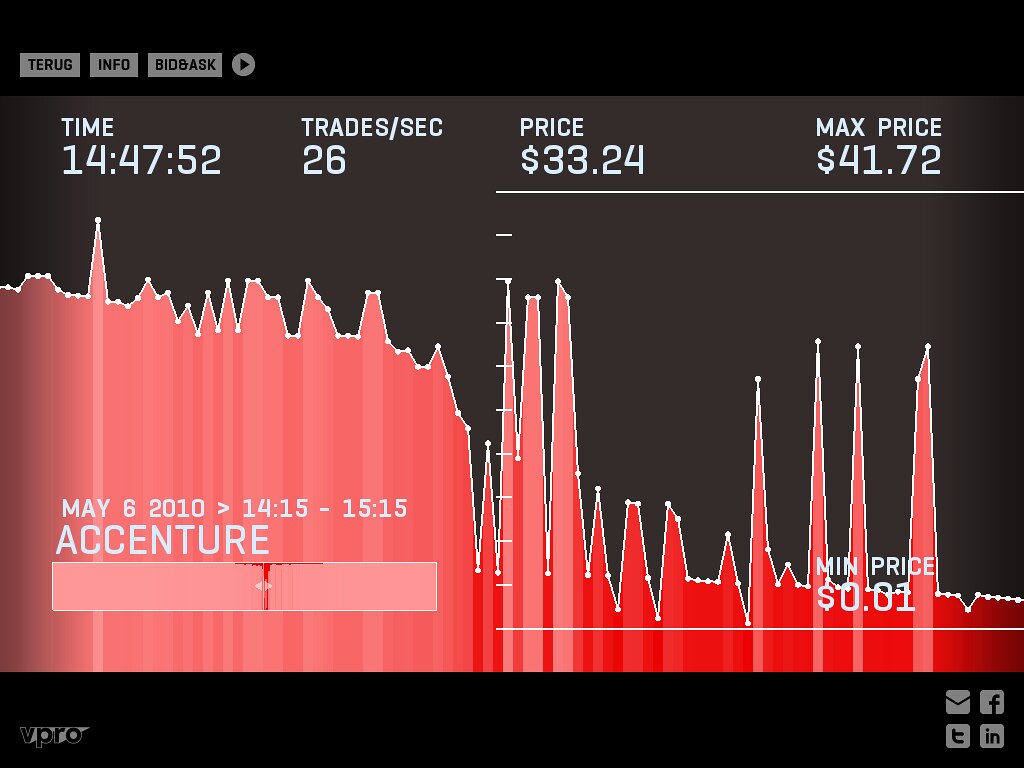
IT stocks crash today as the Nifty IT index experiences a significant drop of over 2%. Investors are concerned about the future of major companies like Infosys, TCS, and Wipro.
Understanding the IT Stocks Crash
The recent downturn in the stock market has left investors reeling, particularly within the IT sector. The IT stocks crash has been attributed to several factors that have contributed to a significant decline in share prices among major companies.
On a day when the Nifty IT index experienced a drop of over 2%, firms such as Infosys, TCS, Wipro, and HCL Tech emerged as the biggest losers. Analysts have pointed to a combination of challenging market conditions, global economic uncertainty, and disappointing quarterly earnings as primary reasons behind this sectoral plunge.
Key factors influencing the IT stocks crash include:
- Declining Profit Margins: Many IT firms reported lower-than-expected profits, prompting concerns about future growth.
- Global Economic Pressures: Rising inflation and geopolitical tensions have created a hesitant investment climate.
- Increased Competition: The tech landscape is rapidly evolving, leading to intensified competition among IT players.
As investors brace for volatility, the focus now shifts to how these companies will navigate the challenges ahead.
Factors Behind the Nifty IT Decline
The recent crash in IT stocks can be attributed to a combination of multiple factors that have significantly influenced investor sentiment and market dynamics.
Firstly, a decline in global demand for technology services has raised concerns among investors. Many analysts point to slowing growth in key markets, particularly in North America and Europe, where companies are tightening their budgets.
Secondly, rising interest rates have made capital more expensive, affecting the profitability outlook for IT firms. As borrowing costs increase, companies may delay or reduce spending on technology projects, further impacting revenue for IT stocks.
Additionally, geopolitical tensions and uncertainties surrounding international trade have created a challenging environment for technology companies. These factors have led to a cautious approach among investors, contributing to the IT stocks crash.
Moreover, disappointing quarterly earnings reports from major players like Infosys, TCS, and Wipro have also fueled fears of an extended downturn in the sector. As these companies struggle to meet growth expectations, confidence in the IT sector has waned.
In summary, a mix of global economic challenges and sector-specific issues has culminated in the significant decline of the Nifty IT sector.
Impact of IT Stocks on Market Sentiment
The recent IT stocks crash has sent shockwaves throughout the market, significantly impacting investor sentiment. With Nifty IT witnessing a decline of over 2%, it became the biggest sectoral loser of the day, dragging down the overall market performance.
Investor confidence has been shaken as major players like Infosys, TCS, Wipro, and HCL Tech reported disappointing earnings and outlooks. The downward trend in IT stocks is causing a ripple effect, leading to increased volatility across various sectors.
Market analysts are closely monitoring the situation, as the performance of IT stocks often reflects broader economic sentiments. The following factors are contributing to the current climate:
- Rising Interest Rates: Concerns regarding inflation and potential rate hikes are weighing on tech valuations.
- Weak Global Demand: A slowdown in key markets has raised alarms for future revenue growth.
- Increased Competition: Domestic and international competitors are intensifying pressure on profit margins.
The combination of these elements has led to a cautious outlook among investors, with many reevaluating their positions in light of the IT stocks crash.
Future Outlook for IT Companies
The recent IT stocks crash has raised significant concerns about the future performance of major IT companies. Analysts suggest that the ongoing volatility in the global market, coupled with increasing competition and changing consumer preferences, could pose challenges for the sector.
In light of the downturn, several factors will be critical in determining the trajectory of these companies:
- Adaptability to Market Trends: Companies that can swiftly adapt to emerging technologies and market demands are likely to fare better.
- Diversification of Services: Firms that diversify their offerings beyond traditional IT services may mitigate risks associated with market fluctuations.
- Cost Management: Effective cost control measures will be essential for profit stabilization during uncertain times.
- Global Economic Conditions: The overall health of the global economy will play a pivotal role in the recovery of IT stocks.
Industry experts emphasize that while the IT stocks crash has created a challenging environment, opportunities for growth exist for those companies that can innovate and remain resilient.
Expert Opinions on Current Market Trends
Market analysts are weighing in on the recent IT stocks crash, which has led to significant losses in the Nifty IT sector. Experts attribute the downturn to a combination of factors, including rising interest rates and a slowdown in global tech spending. According to Rajesh Kumar, a senior analyst at Tech Insights, “The current market trends indicate a shift in investor sentiment, as concerns about inflation and economic uncertainty weigh heavily on tech stocks.”
Furthermore, investment strategist Anjali Mehta emphasized the importance of diversification during such volatile periods. “Investors should look beyond traditional IT stocks and consider emerging sectors that may offer better growth potential,” she suggested. With giants like Infosys, TCS, and Wipro experiencing sharp declines, analysts warn that the current environment may lead to a reevaluation of valuations across the sector.
Despite the gloomy outlook, some experts remain optimistic about a recovery in the long term. “The IT sector has historically rebounded from downturns, and while the short-term may be challenging, there are opportunities for long-term investors,” noted financial advisor Vikram Singh.
As the market navigates these turbulent times, stakeholders are keenly observing how the sector will adjust to the changing landscape.
By illustir via Openverse