AI models for coding: Best proven tools for developers
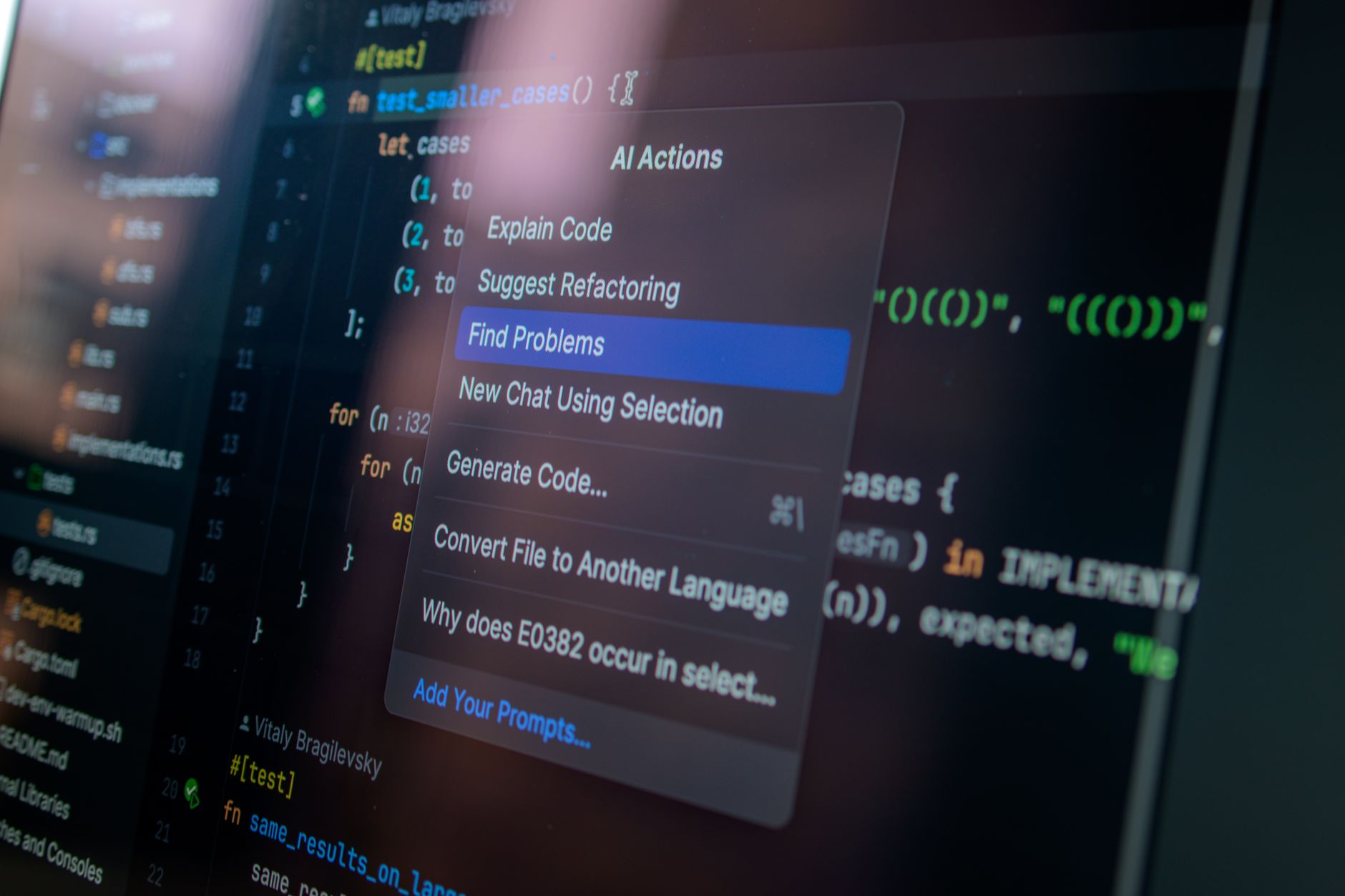
AI models for coding are revolutionizing how developers approach software creation. Microsoft’s latest unveiling promises to enhance coding efficiency and security, competing directly with industry leaders.
Introduction to AI Models
In recent years, the landscape of software development has been transformed by the emergence of AI models for coding. These innovative tools leverage advanced algorithms and machine learning techniques to assist developers in writing, debugging, and optimizing code more efficiently than ever before. As technology giants like Microsoft unveil their latest AI offerings, the competition is heating up, with significant players such as Anthropic and OpenAI also making strides in this domain.
AI models for coding are designed to streamline the development process, allowing programmers to focus on higher-level tasks while the AI handles mundane coding challenges. This not only speeds up the development cycle but also reduces the likelihood of errors, thereby improving overall code quality. The integration of such models into popular development environments has been met with enthusiasm from the developer community.
Among the promising applications of these AI models are:
- Code Generation: Automatically generating code snippets based on natural language prompts.
- Error Detection: Identifying and suggesting fixes for bugs in real-time.
- Code Optimization: Analyzing existing code to enhance performance and efficiency.
As these technologies continue to evolve, developers can expect increasingly sophisticated tools that enhance their productivity and creativity.
Microsoft’s New AI Tools
Microsoft has made significant strides in the realm of artificial intelligence, particularly with its latest AI models for coding. These new tools are designed to enhance developer productivity by streamlining the coding process and improving software security.
One of the standout features of Microsoft’s AI offerings is the integration of advanced machine learning algorithms that assist developers in writing code more efficiently. The models provide real-time suggestions, automate repetitive tasks, and help in debugging, making them invaluable in any software development environment.
Moreover, Microsoft has emphasized the importance of cybersecurity in its AI initiatives. The newly launched tools include capabilities that help identify vulnerabilities in code before they can be exploited. This dual focus on coding and security positions Microsoft as a formidable competitor to other AI leaders like Anthropic and OpenAI.
In addition to enhancing coding capabilities, the company has introduced a user-friendly interface that allows developers to interact seamlessly with the AI models. This encourages a more collaborative environment where developers can leverage AI to enhance their coding skills and deliver high-quality software.
- Real-time code suggestions
- Automated debugging
- Vulnerability detection
As these AI models for coding continue to evolve, they promise to reshape the way developers approach their work, making software development more intuitive and secure.
Comparison with Anthropic and OpenAI
In the rapidly evolving landscape of AI models for coding, Microsoft is stepping up its game to compete with industry giants like Anthropic and OpenAI. Both companies have made significant strides in their offerings, focusing on enhancing developer productivity and code quality through advanced language models.
Anthropic’s Claude AI is designed with an emphasis on safety and ethical considerations. It aims to provide developers with assistance while minimizing the risk of generating harmful or biased code. This approach has garnered attention from organizations concerned about the implications of AI in software development.
On the other hand, OpenAI’s Codex has revolutionized the way developers write code by enabling natural language queries to generate functional programming snippets. This tool has become a favorite among developers for its ability to understand context and create code that aligns closely with user intent.
Microsoft’s recent unveiling of its own AI models for coding not only aims to match these offerings but also leverages its integration with popular development environments and tools like Visual Studio. By combining the strengths of AI with its existing products, Microsoft is positioning itself as a formidable player in the AI space.
- Anthropic: Focus on safety and ethical AI.
- OpenAI: Natural language processing for code generation.
- Microsoft: Seamless integration with existing tools.
Impact on Software Development
The introduction of AI models for coding has significantly transformed the landscape of software development, offering developers new tools that enhance productivity and streamline workflows. These advanced models leverage machine learning to automate repetitive tasks, allowing programmers to concentrate on more complex and creative aspects of their projects.
One of the most notable impacts is the reduction in coding errors. AI-driven platforms can analyze code in real-time, providing immediate feedback and suggestions. This capability not only helps novice developers learn best practices but also allows seasoned professionals to maintain high standards of code quality.
Moreover, AI models for coding enable faster prototyping and iteration. With coding assistants capable of generating code snippets based on natural language prompts, developers can swiftly translate ideas into functional code. This accelerates the overall development cycle and allows teams to respond more quickly to changing requirements.
Additionally, these tools can enhance collaboration among team members. By integrating AI solutions into version control systems, teams can leverage shared insights and recommendations, leading to a more cohesive development environment.
As the industry continues to embrace AI models, it’s clear that their influence will only grow, reshaping how software is developed and maintained. The potential for increased efficiency and innovation marks a new era for developers, fostering a future where technology and creativity coalesce seamlessly.
Benefits of AI in Cybersecurity
The integration of AI models for coding into cybersecurity has revolutionized the way organizations protect their digital assets. The benefits of utilizing these advanced technologies are numerous and impactful.
- Enhanced Threat Detection: AI models can analyze vast amounts of data in real-time, identifying threats that traditional methods might miss. This proactive approach significantly reduces the window of vulnerability.
- Automated Response: By employing machine learning algorithms, AI can automate responses to identified threats, allowing for immediate action without the need for human intervention. This rapid response is crucial in minimizing damage.
- Predictive Analytics: AI models are capable of predicting potential breaches by recognizing patterns in historical data. This foresight enables organizations to bolster their defenses before incidents occur.
- Resource Optimization: With automation handling routine tasks, cybersecurity teams can focus on more complex issues, optimizing their resources and improving overall efficiency.
- Continuous Learning: AI systems continuously learn from new threats and adapt their strategies accordingly, ensuring that cybersecurity measures remain effective against evolving challenges.
In conclusion, the application of AI models for coding in the realm of cybersecurity not only enhances protection measures but also streamlines processes, allowing organizations to stay ahead in an increasingly complex digital landscape.
Future of AI in Coding
The future of AI in coding is poised to revolutionize the way developers approach software creation. As companies like Microsoft continue to unveil advanced AI models for coding, the landscape is transforming rapidly. These tools not only enhance productivity but also foster creativity among developers by automating repetitive tasks.
One significant advancement is the integration of AI models that can understand and generate code snippets based on natural language prompts. This capability allows developers to focus on higher-level design and problem-solving rather than getting bogged down in syntax. Furthermore, as these AI models evolve, their ability to learn from vast datasets improves, making them increasingly adept at suggesting optimal coding practices and solutions.
Looking ahead, the collaboration between AI and human developers is expected to deepen. Developers will increasingly rely on AI models for coding to streamline workflows and debug software more efficiently. This synergy can lead to the development of more robust applications, as AI tools help identify vulnerabilities and suggest improvements in real-time.
Additionally, the accessibility of these AI-powered tools promises to democratize programming, empowering individuals without extensive coding experience to create functional applications. As AI continues to advance, the future of coding will likely be marked by innovation, efficiency, and a shift in how programming is perceived in the tech industry.
User Reactions and Feedback
User reactions to the latest AI models for coding have been largely positive, with many developers expressing enthusiasm about the potential enhancements to their workflow. A recent survey revealed that approximately 75% of developers are eager to integrate these AI tools into their projects.
Feedback highlights several key benefits:
- Increased Efficiency: Many users report that AI models significantly speed up the coding process, allowing them to focus on more complex tasks.
- Improved Accuracy: Developers note that AI tools help reduce errors in code, leading to higher quality software outcomes.
- Enhanced Collaboration: Some users appreciate the collaborative features of AI models, which facilitate better teamwork and communication among developers.
However, there are also concerns regarding the reliance on AI. A number of developers expressed apprehension about the potential for job displacement and the ethical implications of using AI in coding. Some fear that over-reliance on these tools may lead to a decline in traditional coding skills.
Despite these concerns, the overall sentiment remains optimistic. As one developer put it, “AI models for coding are revolutionizing the way we approach software development. It’s an exciting time to be in this field!” The ongoing evolution of these technologies promises to further shape the future of programming.
Conclusion and Next Steps
In conclusion, the emergence of AI models for coding has revolutionized the way developers approach software development. As highlighted throughout this article, tools from major players like Microsoft, Anthropic, and OpenAI are not just enhancing productivity but also streamlining the coding process. Developers are now equipped with intelligent assistants that can generate code snippets, debug errors, and even improve cybersecurity measures.
The benefits of integrating AI into coding practices are clear. Developers can focus more on creative problem-solving while allowing AI to handle repetitive tasks. This shift not only boosts efficiency but also encourages innovation within teams. As these technologies continue to evolve, we expect to see even more sophisticated tools that will further bridge the gap between human creativity and machine learning.
As we look to the future, it is essential for developers to stay informed about the latest advancements in AI. Here are some next steps for those interested in adopting these technologies:
- Explore different AI coding tools and assess their features.
- Engage in online forums and communities to share experiences and gain insights.
- Participate in workshops or training sessions focused on AI applications in software development.
- Monitor updates from leading AI companies to ensure you are aware of new developments.
By embracing these tools, developers can enhance their skill set and remain competitive in an ever-evolving tech landscape.
As developers seek to enhance their productivity, AI models for coding have emerged as essential tools in the software development process. By integrating AI models for coding into their workflows, programmers can automate repetitive tasks and improve code quality.
Photo by Daniil Komov on Pexels