BSNL 4G Towers: Smart Expansion Plan for Better Connectivity
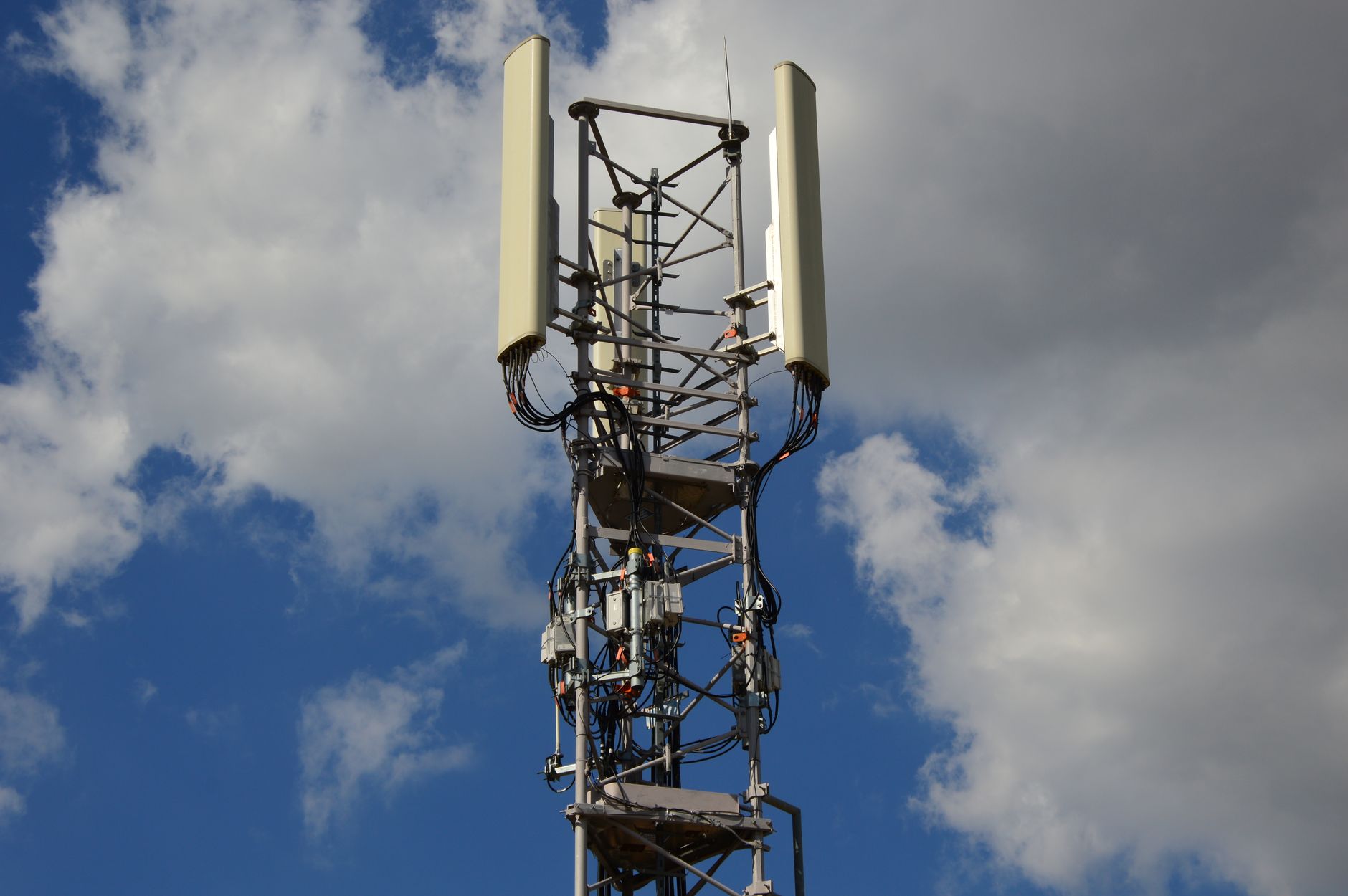
BSNL 4G towers are crucial for improving mobile network services in India. With the recent approval for 26,000 new towers, BSNL aims to enhance connectivity nationwide.
Overview of BSNL’s 4G Expansion
Bharat Sanchar Nigam Limited (BSNL) is set to significantly enhance its network capabilities with the recent approval for the installation of 26,000 new 4G towers. This strategic expansion is aimed at improving connectivity across various regions, especially in underserved areas where reliable internet access has been a challenge.
The decision to deploy these BSNL 4G towers comes as part of a broader initiative to modernize the telecommunications infrastructure in India. As more users rely on high-speed internet for both personal and professional use, the need for robust network coverage has never been more critical.
Key aspects of this expansion plan include:
- Enhanced Coverage: The new towers will help bridge the connectivity gap in rural and remote locations.
- Improved Data Speeds: Users can expect faster internet speeds and better overall service quality.
- Job Creation: The installation and maintenance of these towers will create numerous employment opportunities.
BSNL’s commitment to expanding its 4G network is a pivotal step towards ensuring that all citizens have access to reliable and efficient telecommunications services.
Impact of New Towers on Connectivity
The recent approval for the installation of 26,000 new BSNL 4G towers is set to significantly enhance connectivity across various regions. This expansion plan aims to bridge the digital divide and provide reliable internet access to underserved areas.
One of the primary impacts of these new towers will be the improvement in mobile network coverage. Many rural and remote locations currently experience weak signals, which will soon be addressed through strategic tower placements. As a result, residents in these areas can expect:
- Enhanced Network Reliability: With more 4G towers, users will benefit from fewer dropped calls and faster data speeds.
- Increased Accessibility: More people will have access to essential online services, including education and telemedicine.
- Boosting Local Economies: Improved connectivity can attract businesses and promote local entrepreneurship.
Furthermore, the rollout of BSNL 4G towers will support the growing demand for data, driven by an increase in mobile internet users. As more individuals and businesses rely on digital platforms, the need for robust infrastructure becomes even more critical.
Timeline for Tower Installation
The ambitious plan for the installation of BSNL 4G towers is set to unfold in several phases, ensuring a systematic and efficient rollout across the country. The timeline for tower installation has been strategically designed to maximize coverage and minimize disruption.
According to sources, the first phase is expected to commence in the first quarter of 2024, focusing on densely populated urban areas where demand for reliable connectivity is highest. This phase will involve the deployment of approximately 10,000 BSNL 4G towers.
In the subsequent phases, which are projected to extend throughout 2024 and into early 2025, the company aims to install the remaining 16,000 towers. These efforts will prioritize rural and remote regions, addressing the connectivity gap that has long hindered digital access in these areas.
Key milestones in the timeline include:
- Q1 2024: Launch of the first phase with 10,000 towers.
- Q3 2024: Completion of the second phase with an additional 6,000 towers.
- Q1 2025: Final phase with the installation of 10,000 towers.
This meticulous rollout plan underscores BSNL’s commitment to enhancing connectivity nationwide.
Challenges Faced by BSNL
BSNL’s ambitious plan to roll out 26,000 new 4G towers is not without its challenges. Despite the approval for this substantial expansion, the state-owned telecom operator faces several hurdles that could affect its timeline and overall effectiveness.
- Infrastructure Limitations: Many regions lack the necessary infrastructure to support the installation of new towers. This includes issues like inadequate power supply and poor access roads, which can delay construction.
- Regulatory Hurdles: Obtaining the required permits from local authorities can be a time-consuming process. Navigating through bureaucratic red tape often hampers swift installation.
- Competition: With private telecom operators already having a significant presence in many areas, BSNL faces stiff competition. This makes it essential for the new BSNL 4G towers to not only be built but also to deliver superior service to attract customers.
- Funding Issues: Securing adequate funding for such a large-scale project is crucial. Delays in financial backing could slow down progress and affect the overall rollout strategy.
Addressing these challenges will be critical for BSNL to capitalize on its new expansion and enhance connectivity across the country.
Comparison with Competitors
In the competitive landscape of telecommunications, BSNL’s 4G towers are set to reshape the market dynamics significantly. While private players like Jio and Airtel have established a strong presence, BSNL’s strategic expansion plan positions it to offer comparable, if not superior, services in rural and underserved areas.
Key comparisons between BSNL and its primary competitors include:
- Coverage Area: BSNL aims to expand its network to regions where private operators have limited reach, ensuring a broader service area.
- Pricing: With competitive pricing strategies, BSNL is looking to attract cost-conscious consumers who may find private operators’ plans less appealing.
- Government Support: As a state-owned entity, BSNL receives backing from the government, enabling it to undertake expansive projects like the addition of 26,000 new 4G towers.
- Service Reliability: BSNL’s focus on robust infrastructure aims to ensure that users experience fewer service disruptions compared to competitors.
With these advantages, BSNL’s 4G towers are not just an expansion of its network but a strategic move to enhance its market share in the ever-evolving telecom sector.
Future of Telecom in India
The future of telecom in India is poised for significant transformation with the introduction of BSNL 4G towers, marking a pivotal moment in enhancing digital connectivity across the nation. As BSNL embarks on its ambitious plan to install 26,000 new 4G towers, the implications for both urban and rural areas are profound.
With the increasing reliance on digital services, the demand for robust and reliable telecom infrastructure has never been higher. BSNL’s expansion strategy aims to bridge the connectivity gap by:
- Enhancing Network Reach: The new towers will ensure that even the remotest areas gain access to high-speed internet.
- Improving Service Quality: With more towers, users can expect fewer interruptions and better overall service.
- Supporting Economic Growth: Enhanced connectivity is expected to facilitate business operations and spur economic development in under-served regions.
Moreover, BSNL’s commitment to integrating advanced technology within these towers is set to position the company as a formidable competitor in the telecom sector. As the landscape evolves, the success of this expansion plan will determine BSNL’s role in shaping the digital future of India.
The strategic deployment of BSNL 4G towers across rural and urban areas aims to bridge the connectivity gap that many regions face. By enhancing the infrastructure with these BSNL 4G towers, the company is committed to providing seamless internet access to its customers.
Photo by Ulrick Trappschuh on Pexels