Pollution health insurance claims: Are they worth the risk?
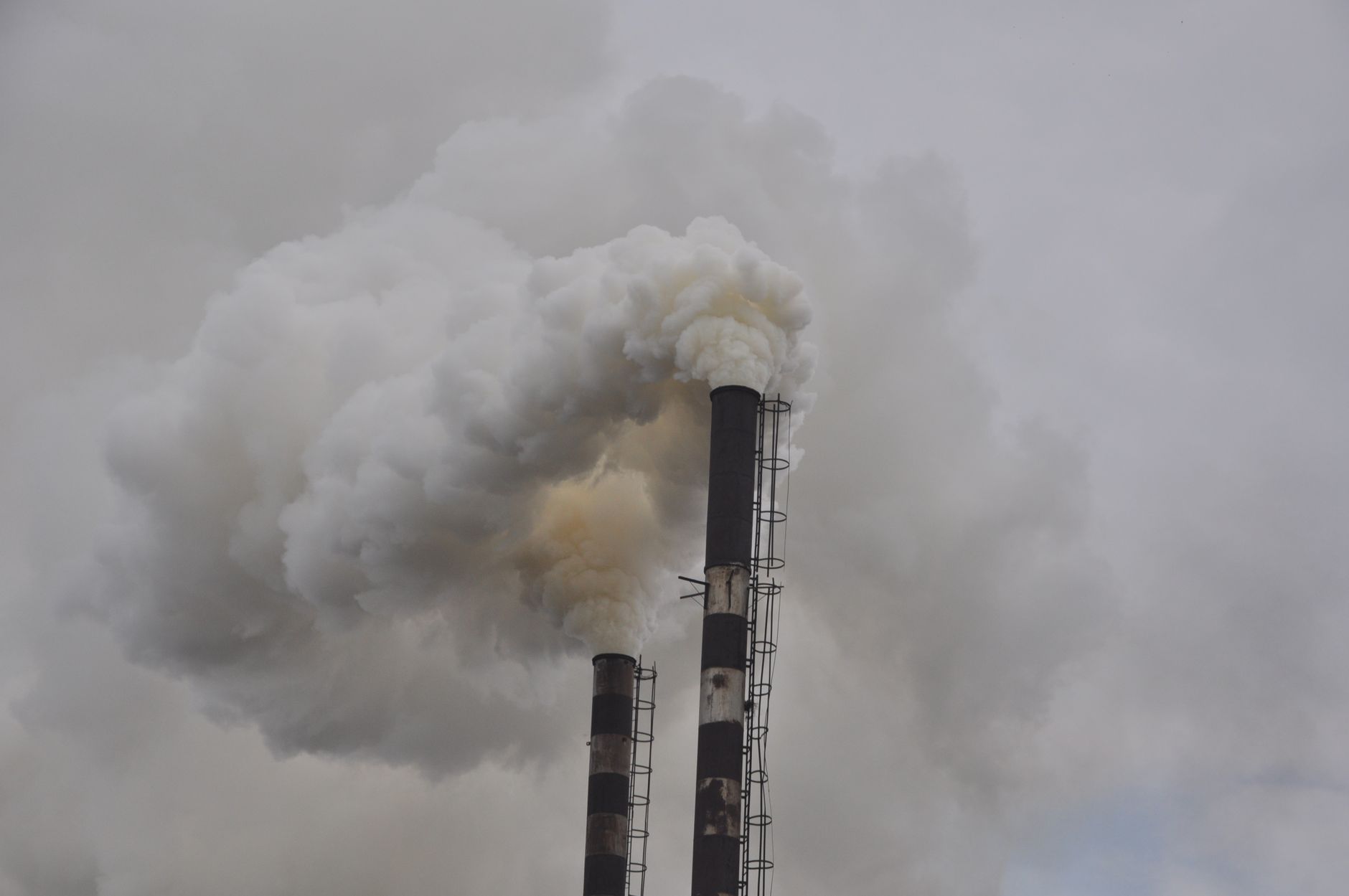
Pollution health insurance claims have risen dramatically, increasing by 4.3 times in just three years according to recent Policybazaar data. This alarming trend raises questions about the impact of pollution on health and insurance costs.
Understanding the Rise in Pollution Health Claims
The escalating concern over environmental pollution has led to a significant increase in health insurance claims related to pollution. Recent data from Policybazaar reveals that pollution-linked health insurance claims have surged by 4.3 times in just three years. This alarming trend highlights the growing awareness among the public regarding the health risks associated with pollution.
Several factors contribute to this rise in claims, including:
- Increased Pollution Levels: Urban areas are witnessing higher levels of air and water pollution, which directly impact public health.
- Rising Health Awareness: Individuals are becoming more informed about the health consequences of pollution, prompting them to seek compensation for related ailments.
- Regulatory Changes: New policies may facilitate easier claim processes for those affected by environmental factors.
As more people file pollution health insurance claims, insurers are reevaluating their policies to accommodate this emerging risk, raising questions about the sustainability of such claims in the long term.
Factors Contributing to Increased Claims
The recent surge in pollution health insurance claims has been attributed to several key factors. Understanding these factors can help individuals make informed decisions about their health and insurance needs.
- Heightened Awareness: Growing public awareness about the detrimental effects of pollution on health has led to more individuals seeking medical attention and filing claims.
- Increased Pollution Levels: Industrialization and urbanization have resulted in worsening air and water quality, contributing to a rise in health issues directly related to pollution.
- Regulatory Changes: New regulations have prompted insurance companies to reassess their policies, making it easier for individuals to file claims associated with pollution-related illnesses.
- Healthcare Access: Improved access to healthcare services has enabled more people to obtain diagnoses related to pollution exposure, leading to an increase in claims.
- Economic Factors: The rising costs of healthcare might drive individuals to explore health insurance claims for pollution-related conditions as a financial safeguard.
These factors collectively contribute to the growing trend of pollution health insurance claims, prompting many to evaluate their coverage options.
How Insurance Companies Are Responding
In recent years, insurance companies have been compelled to adapt their strategies in response to the surge in pollution health insurance claims. As pollution-linked health insurance claims have risen 4.3 times in just three years, insurers are reevaluating their risk assessments and pricing models.
The trend has prompted several key responses from the industry:
- Adjusting Premiums: Insurers are increasingly adjusting premiums based on the pollution levels in specific areas, making it crucial for consumers to understand their local environment.
- Enhanced Coverage Options: Some companies are introducing specialized policies that cater to individuals living in high-pollution zones, offering coverage for ailments linked to environmental factors.
- Health Risk Assessments: Insurers are investing in health risk assessments to better gauge the potential impact of pollution on their policyholders’ health.
- Public Awareness Campaigns: Companies are also engaging in public awareness campaigns to educate the populace about the health risks associated with pollution.
These actions signify a shift in the insurance landscape, as companies strive to mitigate their exposure to rising claims.
The Impact of Pollution on Health
The relationship between pollution and health has become increasingly evident, with numerous studies linking environmental toxins to a variety of health issues. As pollution levels rise, the number of pollution health insurance claims has also surged. This trend raises questions about the long-term effects of environmental degradation on public health.
Key impacts of pollution on health include:
- Respiratory Issues: Airborne pollutants can lead to chronic respiratory diseases, exacerbating conditions such as asthma and bronchitis.
- Cardiovascular Problems: Exposure to pollutants has been associated with an increased risk of heart attacks and strokes.
- Cancer Risks: Prolonged exposure to certain chemicals found in polluted environments has been linked to higher incidences of various cancers.
- Neurological Effects: Emerging research suggests that pollution can negatively impact brain health, contributing to cognitive decline.
As these health issues become more prominent, the rise in pollution health insurance claims reflects a growing concern among policyholders about the risks associated with environmental hazards.
What Policyholders Should Know
As pollution levels continue to escalate, policyholders must remain vigilant about the implications for their health insurance claims. With pollution health insurance claims rising significantly, understanding the nuances of your policy is crucial.
Here are some key points that policyholders should consider:
- Coverage Limitations: Not all health policies cover ailments directly linked to pollution. It is essential to review your policy documents for specific exclusions.
- Documentation Requirements: When making a claim, thorough documentation of health issues related to pollution can enhance the chances of approval.
- Regional Variations: Coverage and claim processes may differ based on geographical areas that are more prone to pollution-related health issues.
- Awareness of Symptoms: Being knowledgeable about pollution-related health symptoms can aid in early diagnosis and timely claims.
By staying informed, policyholders can navigate the complexities of pollution health insurance claims more effectively, potentially mitigating the financial impact of pollution on their health.
Photo by SANDEEP KUMAR SHARMA on Pexels
Where this came from
Related reading
NYT Strands: What Are the Best Hints for November 2026? · Grasim Industries Profit Surge: Quick Proven Growth Insights · SpiceJet check-in issue: Worst Payment Delay Causes Trouble