Robotic Surgical System: Proven Market Growth Ahead
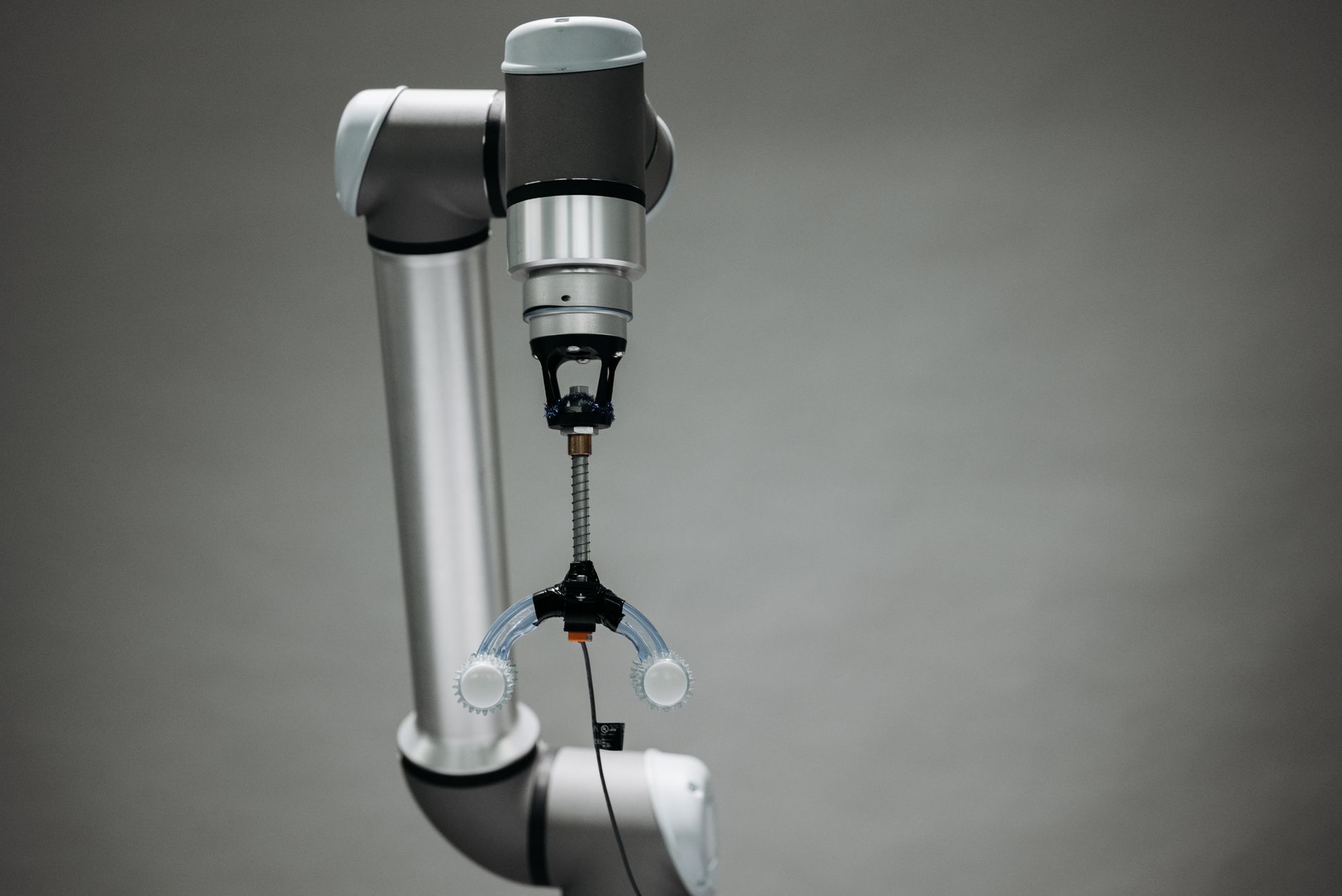
Robotic Surgical System demand is projected to rise significantly as the installed base expands, leading to increased recurring demand through 2035.
Market Overview
The robotic surgical system market is witnessing significant growth, driven by advancements in technology and an increasing range of surgical applications. As healthcare providers seek to enhance patient outcomes and operational efficiency, the demand for these systems continues to rise.
Recent reports indicate a robust expansion in the installed base of robotic surgical systems, which is a critical factor in the recurring demand for surgical disposables associated with these technologies. The growth trajectory highlights several key trends:
- Technological Advancements: Continuous innovations in robotics and automation are enhancing the precision and effectiveness of surgical procedures.
- Increased Adoption: More hospitals and surgical centers are integrating robotic systems into their operating rooms, reflecting a shift towards minimally invasive techniques.
- Expanding Applications: The use of robotic systems is broadening beyond traditional areas, including urology, gynecology, and general surgery.
- Training and Support: Enhanced training programs and support services are facilitating smoother transitions for surgical teams adopting these systems.
With these factors in play, the market for robotic surgical systems is poised for sustained growth, making it an area of keen interest for healthcare investors and stakeholders alike.
Key Drivers of Demand
The demand for the Robotic Surgical System is being driven by several key factors influencing the healthcare landscape today.
- Technological Advancements: Continuous improvements in robotic technology enhance surgical precision, reduce recovery times, and minimize risks associated with traditional procedures.
- Growing Acceptance: Surgeons and medical institutions are increasingly adopting robotic systems, recognizing their benefits in complex surgical operations.
- Increased Surgical Procedures: The rising number of surgeries performed worldwide, particularly in fields like urology, gynecology, and orthopedics, is fueling demand for advanced surgical solutions.
- Cost Efficiency: Over time, robotic systems can lead to lower overall healthcare costs due to reduced hospital stays and fewer complications, making them an attractive option for medical facilities.
- Patient Preference: Patients are more likely to opt for minimally invasive procedures that robotic systems facilitate, driving hospitals to invest in these technologies.
As these drivers continue to evolve, the Robotic Surgical System market is poised for significant growth in the coming years, reflecting a transformation in surgical practices across the globe.
Technological Advancements
Recent technological advancements in the Robotic Surgical System have significantly enhanced the efficiency and effectiveness of surgical procedures. These innovations are driving a shift towards minimally invasive surgeries, which not only reduce recovery times but also minimize patient discomfort.
One key development is the integration of artificial intelligence with robotic systems, allowing for improved precision and better outcomes. Surgeons can now rely on advanced imaging and real-time data analytics to make informed decisions during operations.
Moreover, the introduction of new, lightweight materials in robotic instruments has improved their maneuverability, making them easier to use in complex surgeries. As these systems become more user-friendly, the adoption rate among healthcare professionals is expected to rise.
With the growing acceptance of robotic systems in various surgical specialties, including orthopedics, urology, and gynecology, the market is set for substantial growth. The expansion of the installed base of these systems will likely lead to an increase in demand for disposables, further driving revenue in the coming years.
As technology continues to evolve, the future of the Robotic Surgical System looks promising, paving the way for safer and more effective surgical interventions.
Future Trends in Robotics
The future of the Robotic Surgical System market is poised for significant transformation, driven by various emerging trends that promise to enhance surgical precision and patient outcomes. As healthcare providers increasingly recognize the benefits of robotic-assisted surgeries, several key trends are expected to shape the industry in the coming years.
- Integration with Artificial Intelligence: The incorporation of AI into robotic systems is anticipated to improve decision-making capabilities during surgeries, leading to more accurate procedures.
- Increased Adoption in Developing Regions: As the cost of technology decreases, developing countries are likely to adopt robotic surgical systems, expanding the global market reach.
- Focus on Minimally Invasive Procedures: With a growing preference for minimally invasive surgeries, robotic systems that facilitate these procedures will see heightened demand.
- Enhanced Training Programs: Educational institutions are expected to enhance training programs for surgeons, ensuring a skilled workforce capable of operating advanced robotic systems.
These trends indicate a robust future for the Robotic Surgical System market, highlighting the necessity for continuous innovation and adaptation in surgical technologies.
Competitive Landscape
The competitive landscape for the Robotic Surgical System market is becoming increasingly dynamic as key players invest in innovation and expand their product offerings. A number of companies are vying for market share by enhancing their robotic systems with advanced features and capabilities.
- Intuitive Surgical continues to lead the market with its da Vinci Surgical System, focusing on user-friendly interfaces and superior precision.
- Medtronic has made significant strides with its Hugo™ Robotic-Assisted Surgery platform, which emphasizes affordability and accessibility for hospitals.
- Stryker is strategically investing in research and development to integrate artificial intelligence into its robotic systems, aiming to improve surgical outcomes.
- Zimmer Biomet is pushing boundaries with its ROSA® Robotics platform, expanding into neurosurgery and orthopedic applications.
As competition intensifies, alliances and partnerships are becoming common as companies seek to enhance their technological capabilities and market reach. This collaborative approach is expected to accelerate the adoption of robotic surgical systems, ultimately leading to sustained growth in the market.
Photo by Pavel Danilyuk on Pexels