Saudi Pipeline Restart: Worst Impact on Oil Market Tightness
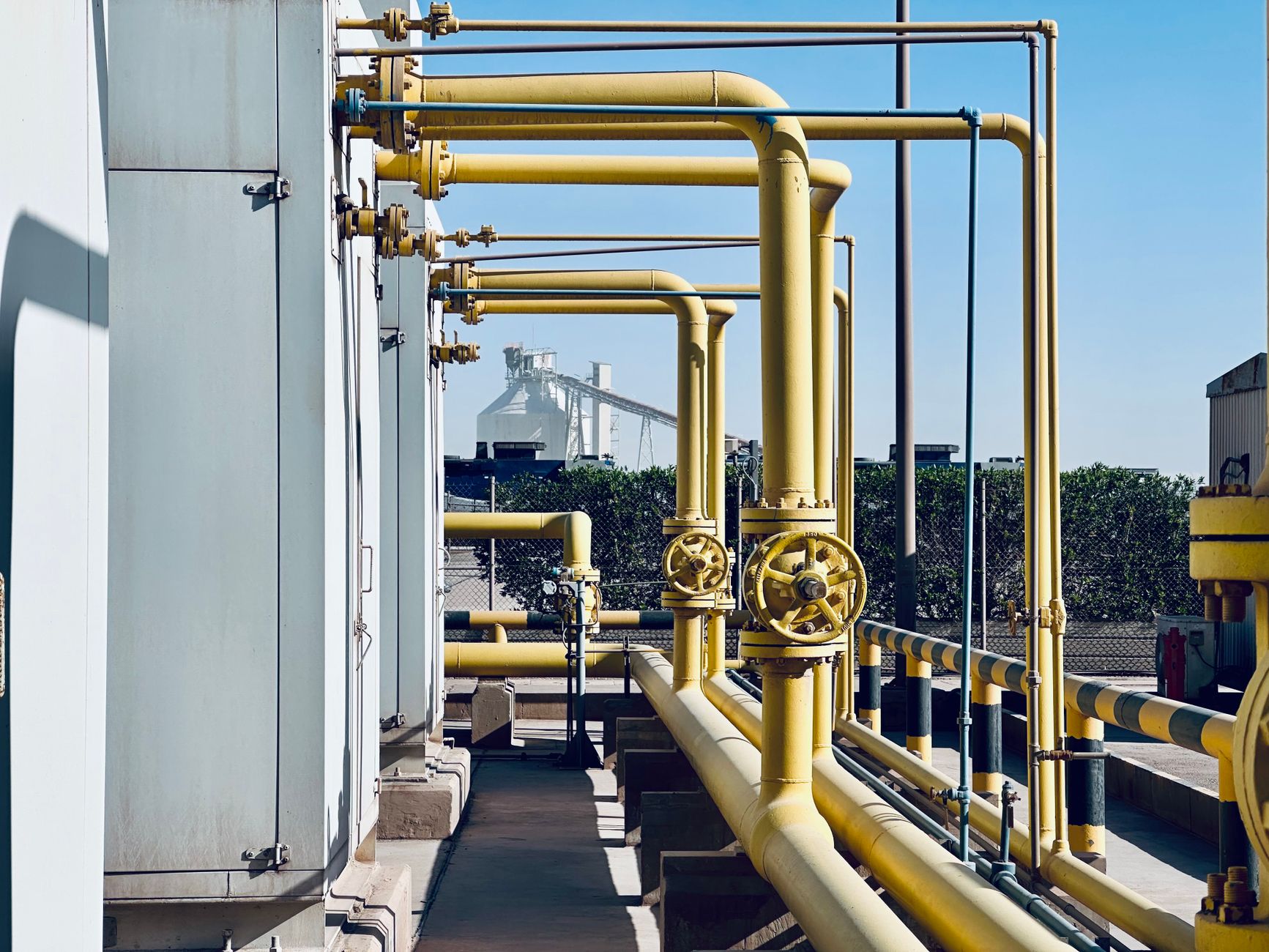
The Saudi pipeline restart has failed to ease oil market tightness, leading to continued concerns among investors and analysts.
Overview of the Saudi Pipeline Situation
The recent Saudi pipeline restart has not succeeded in alleviating the ongoing tightness in the oil market, raising concerns among analysts and investors alike. As global demand for oil remains strong, the impact of this restart appears limited, leading to increased speculation about future supply levels.
Key factors contributing to the continued market tightness include:
- Persistent geopolitical tensions in oil-producing regions.
- Unforeseen maintenance delays on other critical pipelines.
- Seasonal fluctuations in demand, particularly in Asia.
Despite the optimism surrounding the pipeline’s resumption, many experts believe that without significant increases in overall production capacity, the oil market will continue to experience pressure. This situation has prompted calls for more strategic planning and investment in oil infrastructure to mitigate future disruptions.
Impact on Global Oil Prices
The recent Saudi pipeline restart has not alleviated concerns regarding oil market tightness, leading to significant fluctuations in global oil prices. Analysts predict that the impact of this restart will be felt across multiple sectors, as markets remain sensitive to supply disruptions.
Key factors contributing to the ongoing volatility include:
- Increased demand: Global consumption continues to rebound post-pandemic, straining available supplies.
- Geopolitical tensions: Ongoing conflicts in oil-producing regions have created uncertainties that overshadow the potential benefits of the pipeline reopening.
- Market speculation: Traders are reacting to the news with caution, fearing that any gains from the restart could be offset by other supply chain issues.
Overall, the situation remains precarious, and the anticipated stabilization in oil prices seems increasingly elusive.
Market Reactions to the Restart
The recent decision to restart the Saudi pipeline has sent ripples through the global oil market, but reactions have been mixed. Traders and analysts are closely monitoring the situation, as the pipeline’s return could influence supply dynamics significantly.
Despite hopes for relief from persistent market tightness, many experts remain skeptical about a swift recovery in oil prices. Key points of concern include:
- Increased Supply: While the pipeline’s restart suggests a potential rise in supply, it may not be enough to counterbalance current demand levels.
- Geopolitical Tensions: Ongoing instability in the region continues to affect investor sentiment, adding uncertainty to market forecasts.
- Long-Term Outlook: Many industry insiders believe that the Saudi pipeline restart will have limited impact on long-term price stability.
Overall, the oil market remains cautious as it grapples with the implications of the Saudi pipeline restart.
Future of Oil Supply Chains
The recent Saudi pipeline restart has raised questions about the future of oil supply chains amidst ongoing market tightness. Industry analysts are closely monitoring how this development will affect logistics and distribution networks worldwide. With the pipeline back in operation, there is hope for increased output, but uncertainty still looms.
Factors influencing the future of oil supply chains include:
- Geopolitical tensions: Ongoing conflicts and political instability in oil-producing regions can disrupt supply.
- Environmental regulations: Stricter global policies on emissions may necessitate changes in operational practices.
- Technological advancements: Innovations in extraction and transportation could enhance efficiency and reliability.
Ultimately, while the Saudi pipeline restart offers potential relief, the interplay of these factors will determine the sustainability of oil supply chains in the coming years.
Expert Opinions on Pipeline Issues
Experts are weighing in on the recent developments surrounding the Saudi pipeline restart, highlighting its failure to alleviate market tightness. Many analysts argue that while the restart was anticipated to boost supply, several underlying issues continue to challenge the oil market.
- Dr. Layla Ahmad, an energy economist, stated, “The pipeline’s operational challenges and geopolitical tensions will likely keep prices elevated.”
- James Carter, a market strategist, noted, “Investors remain cautious, as the restart has not resolved the structural deficits in production capacity.”
- Maria Gonzalez, a senior analyst, emphasized that “even with the pipeline operational, global demand dynamics are shifting, complicating recovery efforts.”
Overall, the consensus is that the Saudi pipeline restart, while a positive step, may not be sufficient to stabilize the oil market in the near term.
Comparative Analysis with Other Producers
The recent Saudi pipeline restart has drawn comparisons with the production strategies of other major oil producers. While Saudi Arabia aims to stabilize its output, countries like the United States and Russia continue to ramp up production, impacting market dynamics.
Analysts note that:
- U.S. shale producers are increasing their drilling activity, potentially undermining Saudi efforts to maintain high prices.
- Russia’s output remains steady despite sanctions, presenting further competition in an already tight market.
- OPEC’s influence is challenged as non-member states increase their market share, complicating Saudi Arabia’s strategy.
As the oil market adapts to the changes brought by the Saudi pipeline restart, disparities in production levels and strategies among these key players will continue to shape the global oil landscape.
Long-Term Outlook for Oil Markets
The long-term outlook for oil markets remains uncertain as the recent Saudi pipeline restart has not significantly alleviated existing tightness. Industry analysts are concerned that the ongoing geopolitical tensions and fluctuating demand could continue to influence supply dynamics.
Key factors affecting the market include:
- Global Economic Recovery: The pace at which economies rebound post-pandemic will determine oil consumption levels.
- Production Levels: Other oil-producing nations may struggle to fill the gap left by Saudi disruptions.
- Investment in Alternatives: The shift towards renewable energy sources could affect long-term oil demand.
In light of the Saudi pipeline restart, stakeholders are advised to monitor these developments closely, as they could have profound implications for the stability of oil markets moving forward.
Photo by Mumtaz Niazi on Pexels