Torus Skirting Ideas to Enhance Room Aesthetics

In modern interior design, attention to detail can transform an ordinary room into an elegant living space. One subtle yet impactful element that contributes to this transformation is the skirting board. Among various options available, torus skirting stands out for its classic design and ability to blend seamlessly with different styles of décor.
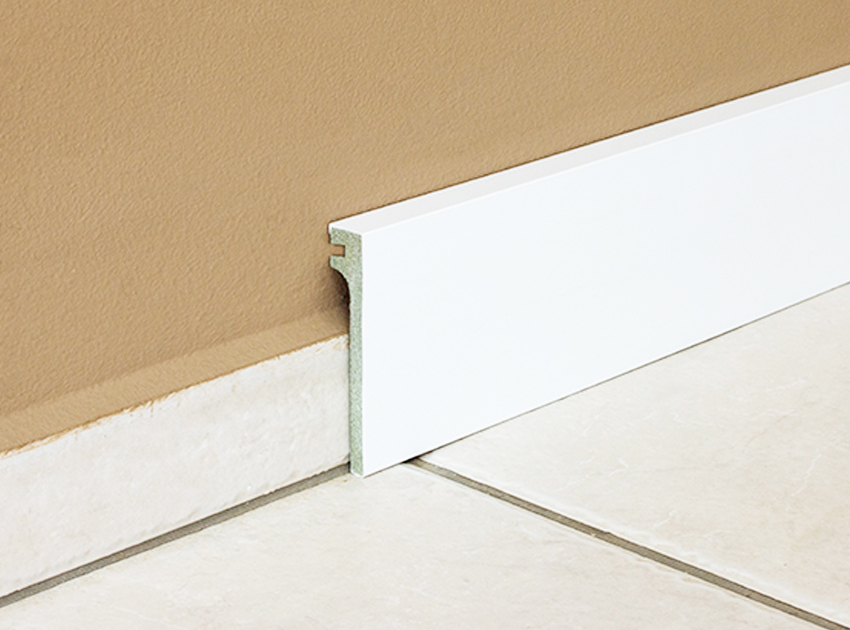
Torus skirting is characterized by its curved, convex profile, offering a soft and graceful finish along the base of walls. Unlike plain or angular skirting, the rounded edges of torus skirting create a sense of continuity, which enhances the visual flow of any room. This feature is particularly beneficial in spaces where a smooth transition between walls and flooring is desired.
One of the most effective ways to enhance a room’s aesthetic with torus skirting is through the choice of material. Wooden torus skirting, for instance, adds warmth and richness to living rooms and bedrooms. Its natural grain and texture complement both traditional and contemporary interiors. MDF or engineered wood skirting, on the other hand, provides a cost-effective yet durable solution and can be easily painted to match wall colors, allowing for cohesive design.
Color selection also plays a crucial role in maximizing the visual appeal of torus skirting. Opting for a slightly contrasting shade compared to the wall can subtly highlight the skirting, creating depth and dimension. Conversely, a matching or neutral tone can give a clean, uninterrupted look that emphasizes the floor and furnishings. For a modern touch, light shades of gray, white, or beige work exceptionally well, while darker hues like walnut or mahogany are ideal for creating a bold, luxurious effect.
Incorporating torus skirting into high-traffic areas can also enhance functionality without compromising style. Its rounded edges are less prone to damage compared to sharp corners, making it suitable for hallways, living rooms, and even kitchens. The smooth profile not only prevents chipping but also makes cleaning easier, maintaining the skirting’s elegance over time.
For interior designers and homeowners seeking to elevate room aesthetics, pairing torus skirting with complementary elements is key. Coordinating the skirting with door frames, window casings, and furniture trims creates a unified look. Additionally, combining torus skirting with decorative lighting or wall textures can accentuate its curves, adding subtle sophistication to the room.
Torus skirting is versatile enough to suit a variety of décor styles. From classic to contemporary, minimalistic to ornate, its timeless design integrates effortlessly while enhancing the overall ambiance. Beyond its aesthetic contribution, torus skirting also adds a layer of protection to walls, reducing wear and tear at the base, which is particularly useful in busy households.
In conclusion, torus skirting offers a refined way to enhance room aesthetics while combining functionality with elegance. By carefully selecting material, color, and complementary design elements, homeowners can create spaces that feel polished, cohesive, and inviting. The understated charm of torus skirting ensures that even simple rooms gain a touch of sophistication and timeless appeal.