Smart Transportation: Revolutionizing Urban Mobility for a Greener Future
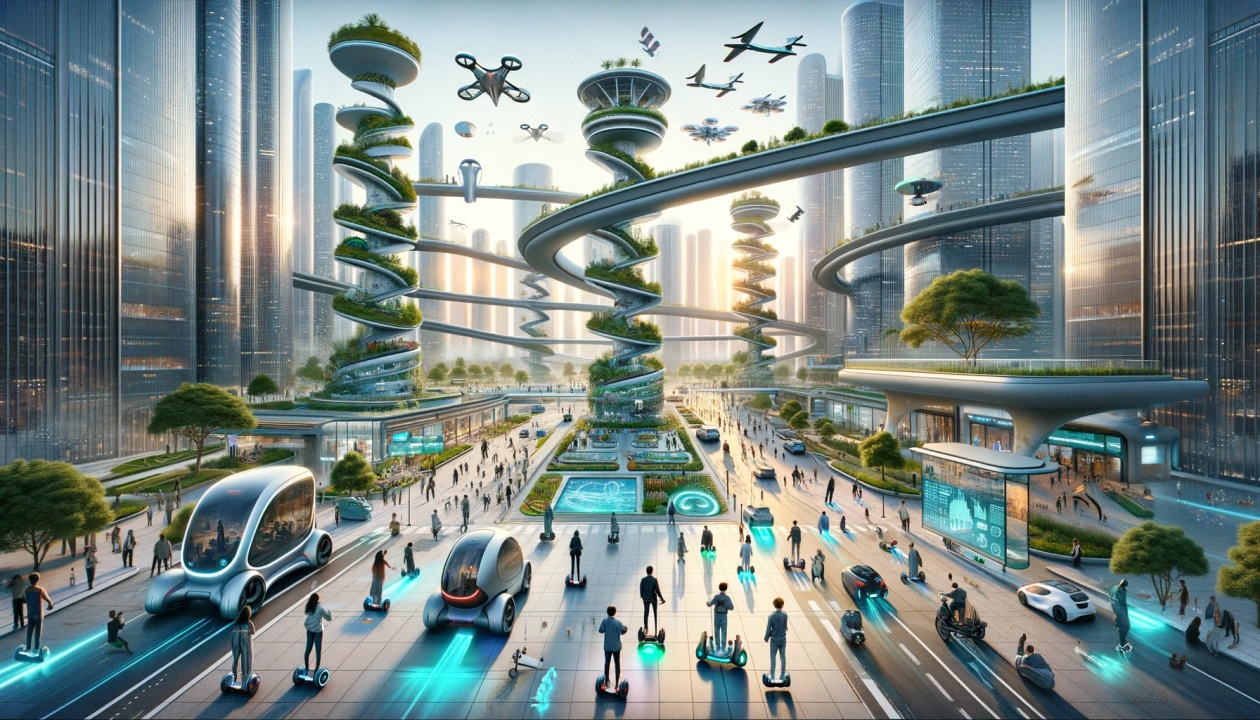
Rapid urban population growth has made cities more vulnerable to issues including pollution, traffic jams, and ineffective public transportation. What is smart transportation? It involves systems that continuously monitor traffic conditions and transit utilization by using real-time data from sensors, cameras, and linked devices. City planners and traffic controllers may make well-informed decisions about modifying traffic lights, assigning dynamic lanes, and coordinating public transportation schedules to better meet demand thanks to this data-driven approach. Smart transportation eases the everyday commute and raises the standard of living in metropolitan areas by cutting down on traffic and wait times.
Leveraging Artificial Intelligence for Predictive Mobility
By forecasting passenger flows, traffic patterns, and maintenance requirements, artificial intelligence (AI) is a key factor in revolutionizing urban mobility. Large-scale datasets are analysed by AI algorithms to predict areas of congestion and suggest preventative actions before problems occur. AI, for instance, can forecast when road maintenance is necessary to prevent accidents or improve bus routes to minimize delays. Cities can transition from reactive management to proactive planning with the aid of this predictive capability, increasing productivity and minimizing commuter interruptions.
The Internet of Things (IoT) Connecting Urban Infrastructure
Vehicles, parking structures, traffic signals, and public transportation infrastructure are all connected by the Internet of Things (IoT) to form an intelligent network that can easily interact. Coordinated reactions to shifting urban conditions are made possible by the information that IoT devices gather and exchange over this network. For example, smart parking systems can guide cars to open spots, cutting down on emissions and needless driving. Sensors identify road risks instantly, and connected cars talk to traffic lights to enhance traffic flow. This networked ecosystem facilitates easier transportation, reduces environmental impact, and improves safety throughout the city.
Enhancing Multimodal Transportation and Accessibility
By combining several modes of transportation like bikes, buses, trains, ride-sharing, and walking paths, into seamless networks that are accessible via smartphone apps, smart transportation systems encourage multimodal travel. Users can arrange smooth trips combining various forms of transportation according to their schedules and preferences thanks to real-time updates and unified payment platforms. This integration increases access to reasonably priced mobility options, lessens reliance on private vehicles, and eases traffic. Smart systems support more sustainable and equitable urban mobility by improving the appeal and practicality of shared and public transportation.
Conclusion
Finally, intelligent transportation is necessary to build efficient, sustainable, and comfortable cities. By encouraging low-emission travel and simplifying traffic, these gadgets reduce air pollution and carbon footprints. Reduced traffic and better mobility make cities calmer, safer, and healthier. Policymakers and urban planners increasingly use smart mobility solutions to meet ambitious climate goals, boost economic growth, and improve citizen well-being. Future urban mobility requires adopting these technologies to construct smarter, greener cities.