The Role of Corporate Event Organisers in Maximizing Client Engagement

In the corporate world, every interaction with clients presents an opportunity to strengthen relationships, build trust, and reinforce brand credibility. Traditional approaches to client engagement, such as emails, calls, and routine meetings, are no longer sufficient in today’s highly competitive market, where businesses are vying to capture attention and leave lasting impressions.
Modern organizations require experiences that go beyond transactional communication, offering moments that foster meaningful connections, highlight company values, and inspire loyalty. This is where corporate event organisers in Dubai play a pivotal role.
By combining strategic planning, innovative thinking, and meticulous execution, professional organisers transform corporate gatherings into dynamic platforms that elevate client engagement.
Their expertise ensures every element, from program design to personalized experiences, maximizes interaction, leaves a memorable impact, and strengthens long-term professional relationships.
This blog explores the multifaceted role of corporate event organisers, offering insights into how their expertise drives interaction, loyalty, and business growth.
Strategic Planning for Client-Centric Events
Careful planning ensures that events are not generic gatherings but purposeful initiatives that foster meaningful interactions. By considering both business objectives and client expectations, organisers create structured yet dynamic experiences that encourage active participation.
- Understanding Client Needs: Corporate event organisers invest time in researching client preferences, industry trends, and competitive landscapes. By gathering insights on client expectations and previous engagement patterns, organisers can tailor experiences that resonate deeply.
- Aligning Events with Business Goals: Events are strategically designed to support organizational objectives, such as strengthening partnerships, introducing new services, or reinforcing brand positioning. Every agenda, activity, and interaction is mapped to achieve measurable outcomes.
- Creating Customised Experiences: From venue selection to program design, organisers create events that reflect the company’s identity while prioritising the client experience. Personalised touches, such as curated networking sessions or bespoke presentations, enhance engagement and demonstrate genuine attention to client needs.
Innovative Engagement Techniques
By leveraging innovation, organisers elevate the standard corporate event into a memorable engagement platform. Each interaction is designed to spark curiosity, encourage dialogue, and strengthen client relationships.
- Interactive Technology Integration: Using tools such as live polls, virtual reality demos, or real-time feedback applications, corporate event organisers transform passive attendance into active participation. This technological approach allows clients to engage in immersive experiences that leave lasting impressions.
- Gamification and Experiential Activities: Incorporating interactive challenges, workshops, or problem-solving exercises adds an element of excitement and encourages clients to collaborate. These activities foster a sense of inclusion and make complex information more digestible.
- Personalized Content Delivery: Tailored presentations, live demonstrations, and segmented breakout sessions ensure that content is relevant to diverse client groups. This strategy keeps participants invested and enhances comprehension and retention of key messages.
Optimizing Client Interaction and Networking
Networking is not left to chance; it is a carefully orchestrated component of every corporate gathering. Organisers ensure that each client interaction is purposeful, fostering connections that extend beyond the event itself.
- Structured Networking Opportunities: Beyond casual mingling, professional organisers design interactions that encourage meaningful connections. Techniques include curated roundtables, topic-specific discussion groups, and facilitated networking sessions that align with client interests.
- Facilitating Relationship Building: Event professionals actively guide introductions and conversations to ensure that clients meet relevant stakeholders, partners, or industry experts. This targeted approach enhances the perceived value of attendance.
- Monitoring Engagement Levels: Through observation, surveys, and real-time feedback, organisers assess client participation and adjust interactions as needed. This dynamic approach maximizes engagement throughout the event.
Enhancing Brand Presence Through Experiential Design
Experiential design transforms events into strategic platforms where clients absorb information naturally, feel valued, and associate positive experiences with the brand.
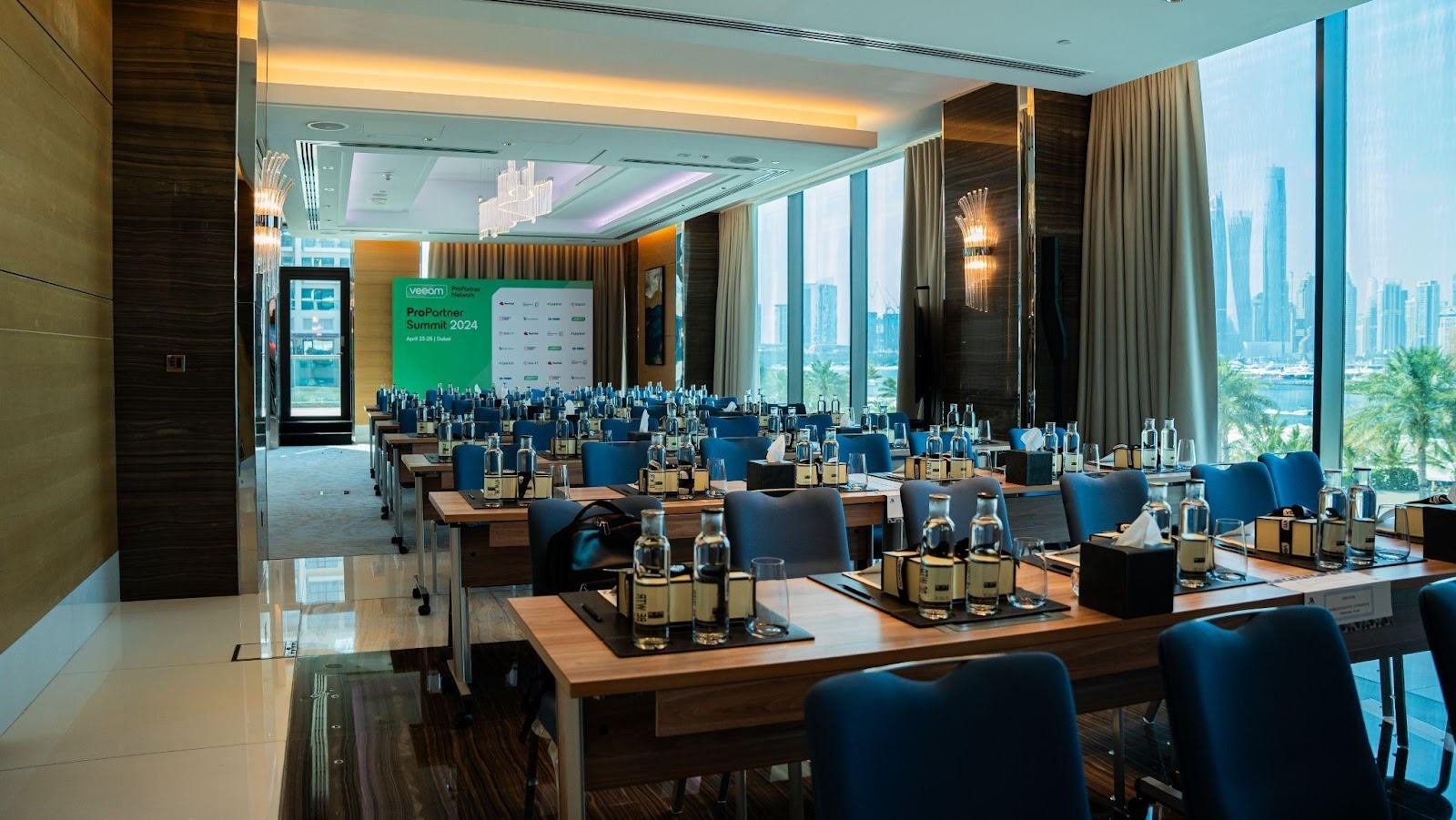
- Visual and Spatial Branding: Organisers use strategic layouts, thematic designs, and branded elements to create environments that reflect the company’s identity. This includes signage, décor, and digital displays that reinforce the brand message.
- Immersive Storytelling: Incorporating narratives that highlight company achievements, client success stories, or industry innovations makes events more relatable and impactful. Story-driven presentations evoke emotional engagement, strengthening the client’s connection to the brand.
- Sensory Engagement: Multi-sensory experiences: combining visuals, audio, tactile interactions, and taste, create memorable impressions that resonate long after the event. This approach differentiates corporate gatherings from standard meetings, making them powerful tools for client engagement.
Measuring Success and Driving Continuous Improvement
Evaluation and adaptation are essential to sustaining high levels of client engagement. Professional organisers focus not just on immediate results but also on long-term relationship-building and continuous enhancement of corporate events.
- Feedback Collection and Analysis: Corporate event organisers systematically gather post-event feedback through surveys, interviews, and digital analytics. Insights from these assessments inform future strategies and enhance client engagement.
- Tracking Key Performance Indicators: Metrics such as attendance, participation levels, client retention, and lead generation are monitored to quantify the event’s impact. Organisers use this data to demonstrate ROI and refine engagement strategies.
- Continuous Learning and Adaptation: By analyzing successes and challenges, organisers improve future events, introducing innovative elements, refining communication strategies, and enhancing logistical efficiency. This iterative approach ensures that client engagement grows stronger with each interaction.
Conclusion
Maximizing client engagement requires more than well-planned agendas; it demands strategic vision, creativity, and meticulous execution. Corporate event organisers in Dubai play a vital role in orchestrating experiences that captivate clients, foster meaningful interactions, and reinforce brand presence.
By combining innovative engagement techniques, structured networking, and measurable outcomes, professional organisers elevate corporate events into powerful business tools.
For companies seeking to create impactful and memorable experiences that not only engage clients but also reinforce long-term relationships, exploring tailored event solutions from Markable International provides a strategic advantage.
By leveraging the expertise of corporate event planner Dubai in meticulous planning, creative execution, and innovative engagement techniques, businesses can ensure that every corporate initiative, from intimate meetings to large-scale gatherings, delivers maximum value, leaves lasting impressions, and achieves its full potential.